Your Server Closet vs. a Data Center
Your server shares a wall with the break room. The thermostat hasn't been touched in three years. The door doesn't lock. Meanwhile, a data center has redundant everything and engineers on-site 24/7. The comparison isn't close.
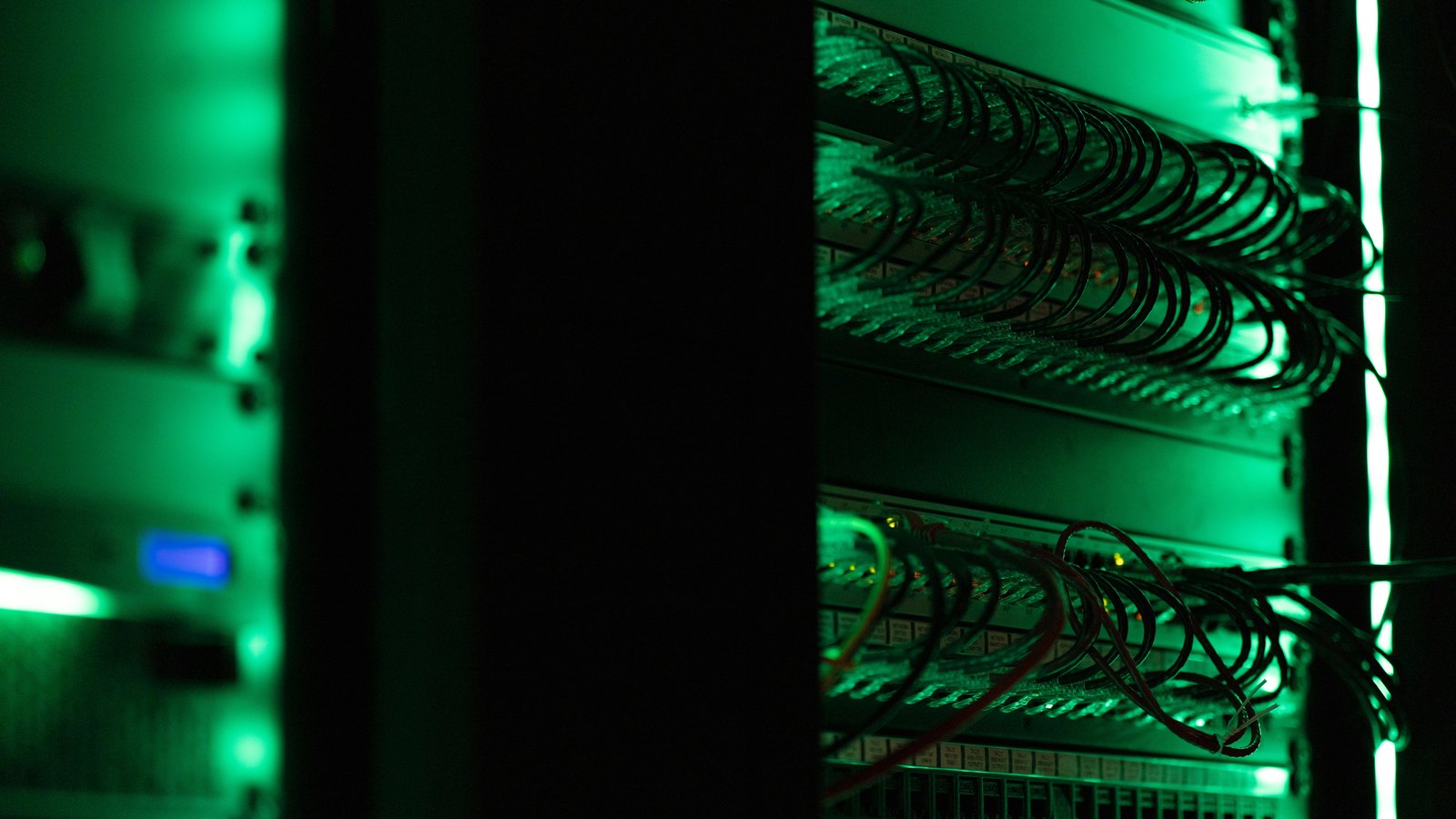
Your server is in a closet. Let’s talk about that closet.
It shares a wall with the break room. The thermostat is set to whatever somebody decided three years ago. There’s a surge protector on the floor that may or may not still work. The door doesn’t lock - or it does, but everyone knows where the key is. And the last time someone checked the UPS battery was… actually, has anyone ever checked the UPS battery?
That closet is protecting everything. Patient records. Client files. Financial data. Email. The practice management system your entire operation depends on.
Now let’s talk about what a data center looks like.
Microsoft Azure runs over 60 data center regions worldwide. These are purpose-built facilities with redundant power supplies, diesel generators that can run for days, biometric security at every entry point, and engineers on-site 24/7 whose only job is keeping your data online.
Your data doesn’t just live in one of these buildings. It’s copied. Multiple times. In multiple locations.
Locally redundant storage keeps several copies within one data center. One disk fails, and disks fail constantly at scale, another copy is already there.
Geo-redundant storage copies your data to a second data center hundreds of miles away. Hurricane takes out the first facility? Your data is sitting safely in another region, ready to go.
This isn’t exotic enterprise technology anymore. This is what a ten-person dental office gets when they move to the cloud. The same infrastructure that Fortune 500 companies spent millions building fifteen years ago is now available to any business with an internet connection.
Meanwhile, your server closet is still one power surge, one failed hard drive, one ransomware attack away from a very bad week.
We’re not saying on-prem is always wrong. Some industries run specialized software that genuinely requires local hardware. Some manufacturing environments have operational technology that can’t move and shouldn’t. For those situations, the answer is usually hybrid - some things move, some things stay.
But for most small and mid-size businesses? Medical practices, dental offices, law firms, professional services firms? The question isn’t whether the cloud makes sense. It’s why you haven’t moved yet.
We’ve done enough of these to know the answer. It’s usually some version of: nobody sat down and explained what it would actually look like. What moves. What stays. What it costs. How long it takes. What happens if something goes wrong.
That’s the conversation we have. And it starts simpler than most people expect.